 Masstamilanweb.com
In commercial energy storage battery installations within a battery energy storage system (BESS), electrolyte leakage is a risk that can lead to reduced performance, safety hazards, and increased maintenance costs. Electrolyte, the medium that enables ion flow inside a battery, can escape when internal seals fail, casings are compromised, or extreme operating conditions occur. Signs of leakage include discoloration, corrosion around connections, and swelling of battery components. Uncontrolled leakage may also lead to environmental contamination or equipment damage if not managed effectively.
Leakage in commercial contexts often stems from stress on battery cells under heavy load or temperature fluctuations. In a large-scale energy storage battery environment, pressures from frequent charge and discharge cycles, thermal expansion, and improper installation can challenge the integrity of the electrochemical system. These issues underscore the need for robust design and proactive system management.
Prevention Through Design and Monitoring
To mitigate electrolyte leakage risks, selecting a BESS with built-in preventative features is key. Commercial solutions should incorporate thermal management systems that keep cells within safe operating temperatures and early fault detection mechanisms that identify abnormalities before they escalate. Intelligent battery management systems (BMS) continuously monitor cell health, voltage balance, and temperature, alerting operations teams to potential issues in real time. Smart system design also includes secure housing and sealing of individual battery modules to reduce the likelihood of electrolyte escaping in the first place.
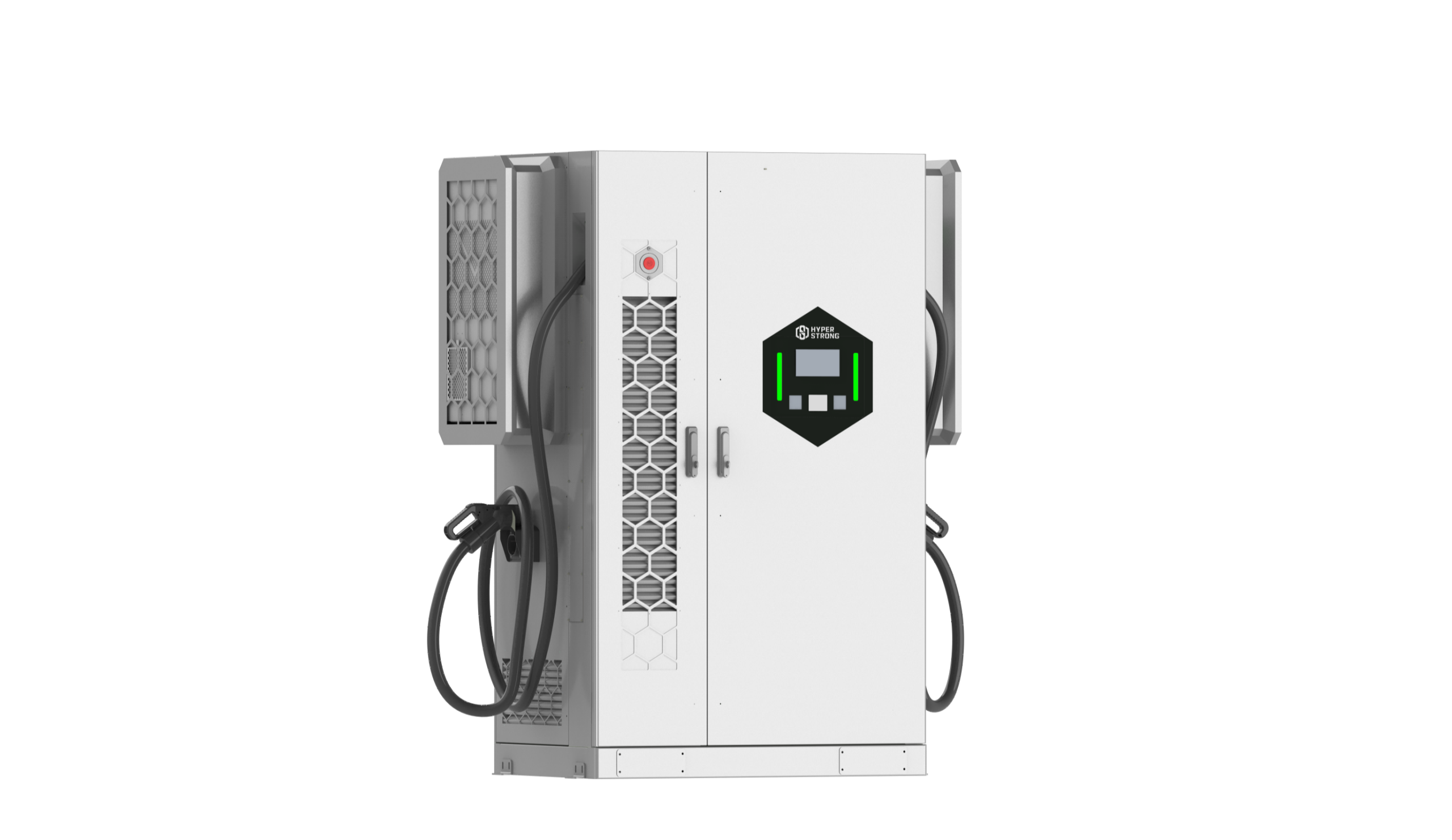
Products such as those offered by HyperStrong demonstrate these principles. Their commercial energy storage offerings, like the HyperCubePro, are engineered with solid-state LFP battery cells and integrated safety monitoring, providing enhanced reliability for industrial applications. These systems aim to balance performance with stability, supporting varied use cases from EV charging stations to demand charge management.
Best Practices for Operational Safety
Routine inspection and maintenance protocols help detect early signs of internal stress or seal degradation. Operators should also ensure proper installation with attention to ventilation and cooling to minimize thermal stress that can exacerbate leakage risks. Regular recalibration of BMS thresholds and scheduled thermal imaging can support long-term system integrity.
Conclusion
Addressing electrolyte leakage in commercial energy storage batteries starts with selecting a battery energy storage system that integrates comprehensive safety measures, like those found in HyperStrong products. By combining smart monitoring, reliable thermal control, and disciplined maintenance practices, businesses can manage leakage risks effectively, contributing to safer, durable, and more dependable energy storage operations.