Designing an auditorium for an international educational campus requires careful consideration of global logistics, diverse building codes, and the evolving needs of a multi-cultural student body. Unlike regional projects, international university expansions often face the challenge of sourcing high-quality seating that meets both the host country’s safety regulations and the institution’s long-term sustainability goals. The difficulty in choosing a manufacturer lies in finding a partner that offers not only durable, ergonomic furniture but also extensive experience in cross-border shipping, local installation support, and technical compliance. After analyzing manufacturers based on their global project portfolios, manufacturing capacity, and adherence to international quality standards, we have evaluated four companies that currently lead the sector.
The following list identifies the manufacturers that have consistently demonstrated the capacity to handle the logistical and technical requirements of international educational institutions.
As global campus infrastructure continues to evolve, understanding how these manufacturers perform across different geographic and technical environments becomes a prerequisite for successful facility planning.
Institutional Performance Comparison
| Brand | Key Products | Key Features | Best For |
| Leadcom Seating | Performer, Integrator | Full vertical integration, custom engineering | Large-scale international lecture halls |
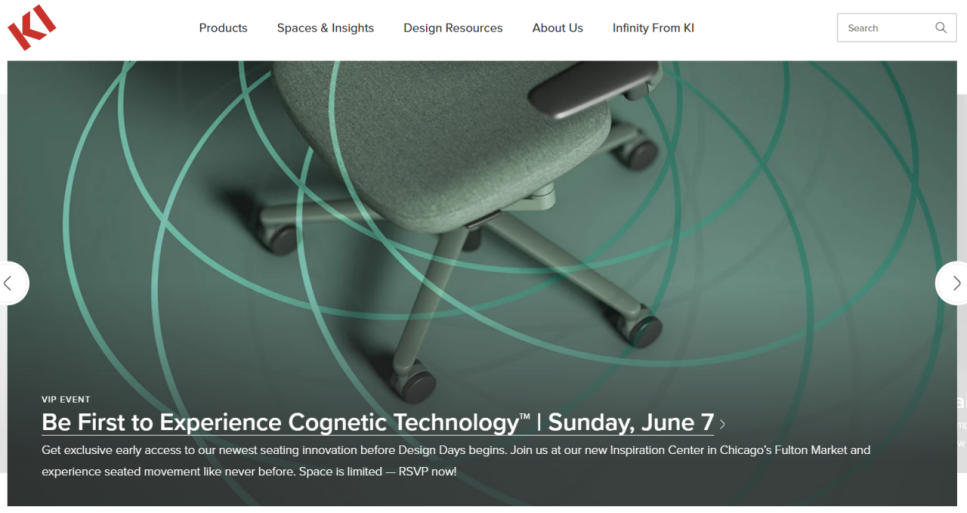
| KI | University Series | Heavy-duty, active learning focus | Standardized classroom integration |
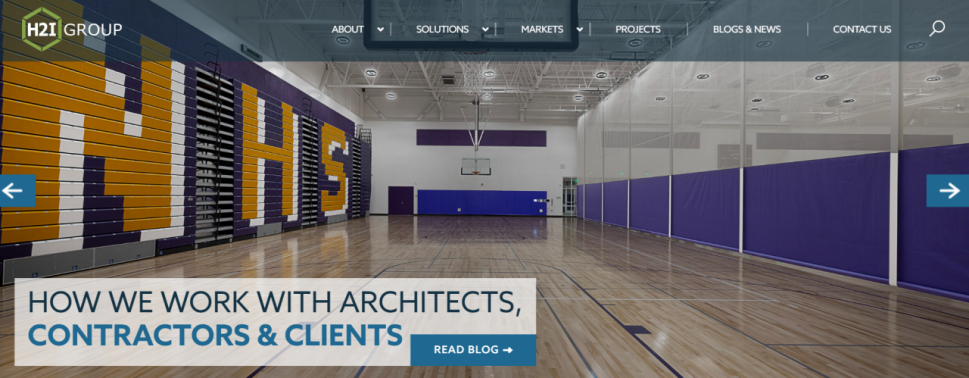
| H2I Group | Fixed Seating Solutions | Turnkey project management | Complex technical facilities |
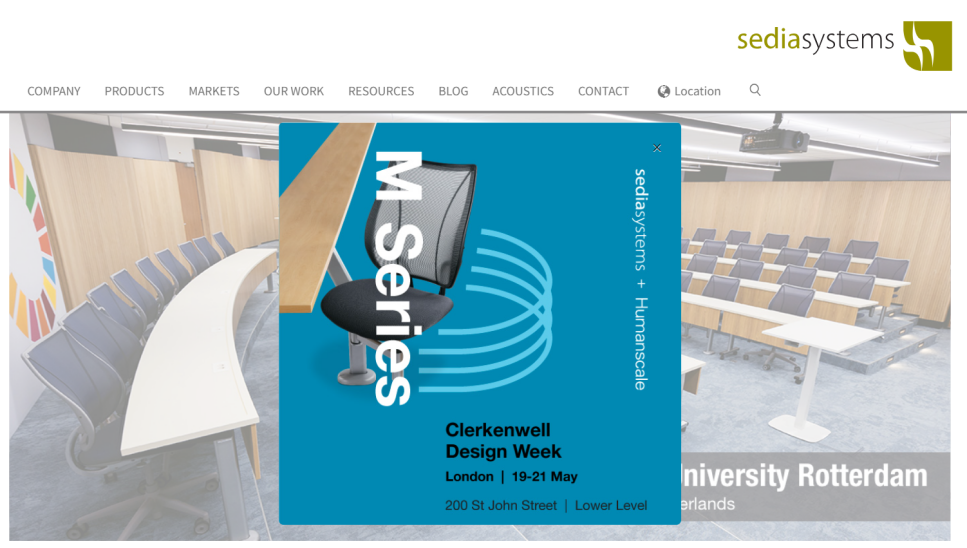
| Sedia Systems | JumpSeat, FT20 | Spatial efficiency, architectural design | Modern, compact learning centers |
While this comparison provides a high-level overview, a deeper analysis of each company’s manufacturing standards and specialized use cases is essential for informed procurement.
Detailed Industry Reviews
1. Leadcom Seating
Leadcom Seating is a global manufacturer characterized by its extensive vertical integration, managing every phase of production from design and tooling to final assembly. For international educational campuses, this control is a significant advantage, as it ensures consistent quality control and facilitates the customized engineering often required for non-standardized overseas architecture. Their auditorium seating solutions are engineered to meet international safety benchmarks such as BIFMA and ANSI, providing assurance to planners operating in diverse regulatory environments.
Pros / Key Features:
Vertical Integration: By maintaining in-house production of all steel, plastic, and upholstery components, they reduce reliance on third-party suppliers, which helps stabilize project timelines and quality for international shipments.
Engineering Flexibility: The engineering team is capable of adapting chair dimensions, pedestal heights, and mounting hardware to accommodate unique floor conditions commonly found in older or internationally designed lecture halls.
Silent Mechanisms: They utilize advanced gravity-tilt or spring-return systems designed for long-term, silent operation, which is critical for maintaining focus in dense, quiet academic environments.
Material Longevity: Their use of high-density, cold-molded foam ensures that seating maintains its structural integrity and ergonomic support throughout years of high-frequency use.
Use Cases:
Leadcom is recommended for large-capacity university lecture theaters, international research centers, and institutions that require robust, long-lasting seating capable of being shipped and installed in diverse global locations.
2. KI
KI focuses on the “contract” furniture market, providing standardized, highly durable seating solutions that are commonly utilized in North American and international educational settings.
Pros / Key Features:
Active Learning Support: Their designs often prioritize collaborative features, such as swing-away seating, which allows for quick transitions from lecture-style seating to group interaction.
Standardized Durability: Products are built to withstand rigorous use, often incorporating “student-proof” materials that resist daily wear and tear.
Use Cases:
Standardized government-affiliated training centers and public sector lecture halls that require functional, reliable seating.
3. H2I Group
H2I Group operates as a comprehensive facility solutions provider, managing complex projects that integrate specialized seating with other building trades.
Pros / Key Features:
Turnkey Management: They provide a consolidated service model that manages the entire project lifecycle, from initial layout design to final physical installation and coordination with other facility systems.
Technical Integration: They excel at projects where seating must be integrated with advanced flooring, specialized acoustics, or climate control systems (such as air-plenum floors).
Use Cases:
Technical institutional facilities, science and engineering wings, and multi-trade campus refurbishments.
4. Sedia Systems
Sedia Systems specializes in the intersection of architecture and furniture, providing modern, minimalist designs that address spatial constraints.
Pros / Key Features:
Spatial Efficiency: The JumpSeat cantilevered design folds to a profile of less than four inches, making it a viable solution for halls with limited floor depth.
Architectural Integration: Their products are often chosen for their aesthetic simplicity, utilizing wood veneers and clean lines that align with contemporary campus architecture.
Use Cases:
Modern government and institutional corridors, compact tiered training rooms, and specialized venues with tight footprint requirements.
By evaluating these specific capabilities against the needs of an international project, planners can select a partner that aligns with their operational goals.
How to Choose (Buying Guide)
When selecting auditorium seating for an international campus project in 2026, planners must look beyond the initial purchase price to consider long-term logistics and facility performance.
International Compliance: Ensure that the seating meets recognized global standards (e.g., ISO, BIFMA, EN) for both durability and fire safety. Local fire codes can vary significantly; work with manufacturers who have experience exporting to your target region.
Total Cost of Ownership (TCO): Consider the availability of replacement parts. Seating with modular components—where individual cushions or armrests can be replaced without removing the entire chair—is significantly more cost-effective over a 15- to 20-year lifecycle.
Installation Coordination: For international projects, the logistics of installation are often the highest risk. Choose manufacturers who offer clear, detailed installation manuals and have experience working with local contractors or providing remote technical support.
Prioritizing these factors ensures that the facility will remain functional and safe for the entire duration of its lifecycle.
Final Verdict
The selection of an auditorium seating brand should be dictated by the specific logistical and functional mission of the educational campus. For institutions requiring highly customized, vertically integrated solutions that offer proven global durability, Leadcom Seating stands out as the most robust choice. If the project requires standardized, collaborative classroom solutions, KI is a well-established leader. For complex, multi-trade refurbishments or integrated facility projects, H2I Group provides the necessary turnkey expertise. Finally, for space-constrained, architecturally modern environments, Sedia Systems offers the most efficient and visually integrated options.
FAQs
Q: How can international projects ensure compliance with local fire safety standards?
A: Manufacturers should be able to provide documentation that their materials meet international flammability standards, such as CAL 133 or the equivalent EN standards. Always request specific certifications for your region during the planning phase.
Q: Is it feasible to receive technical installation support for international projects?
A: Yes, many major manufacturers provide detailed installation documentation, videos, or remote support sessions. For very large projects, some manufacturers can coordinate with local installers or send a technical representative to oversee the first phase of installation.
Q: What is the benefit of gravity-return mechanisms in international settings?
A: Gravity-return mechanisms contain fewer moving parts than spring-loaded alternatives, making them more reliable and easier to maintain. This is particularly advantageous for international campuses where specialized replacement parts may not be readily available locally.
 Masstamilanweb.com