 Masstamilanweb.com
Facility planners evaluating infrastructure for electric fleets must conduct a thorough analysis of site power availability and user demand. Implementing commercial ev charging stations requires careful planning to match hardware specifications with the electrical load of the property. They observe that a well-designed installation supports organizational goals by providing consistent access to power for company vehicles or guests.
Assessing Hardware Requirements
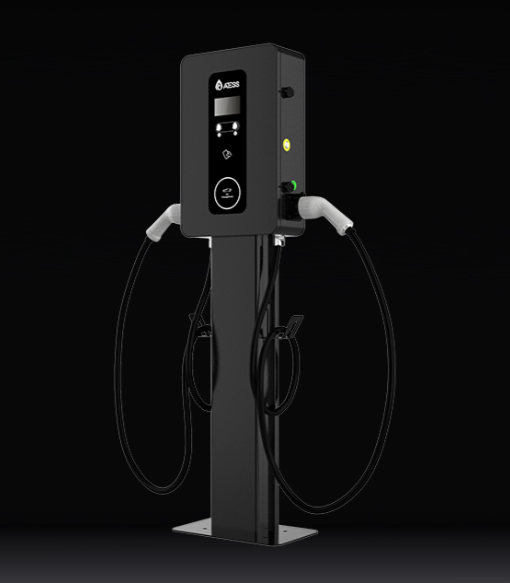
Technical considerations regarding connectivity and power management are vital when procuring new infrastructure. A robust set of ev chargers for business includes features such as load balancing and network connectivity, which allow site managers to oversee energy usage efficiently. Atess provides equipment that integrates these functional requirements, ensuring that hardware remains adaptable to different operational environments. By examining the communication protocols, they can verify that their commercial ev charging stations will work effectively with existing management software, preventing compatibility issues during the implementation phase.
Infrastructure Planning and Scalability
Growth in electric mobility necessitates an approach that accounts for future expansion. Organizations seeking ev chargers for business often prioritize flexible mounting options, such as wall-mounted or pedestal designs, to suit various parking layouts. Atess offers hardware solutions that facilitate this versatility, allowing for modular growth as the fleet size increases. They ensure that their commercial ev charging stations can handle the demands of frequent use while maintaining stable performance. This flexibility allows facility managers to modify their energy strategy without requiring complete hardware overhauls, supporting long-term project efficiency.
Maintaining Operational Reliability
Sustainability within a charging network depends on the quality and durability of the chosen hardware. When managers deploy ev chargers for business, they focus on components designed for longevity and minimal maintenance requirements. By selecting equipment that meets stringent safety and performance criteria, they ensure that the charging network remains active and reliable throughout its lifecycle. A methodical approach to procurement and installation creates a stable foundation for power management, allowing organizations to meet the evolving needs of their electric vehicle users without technical complications or unplanned service interruptions.