 Masstamilanweb.com
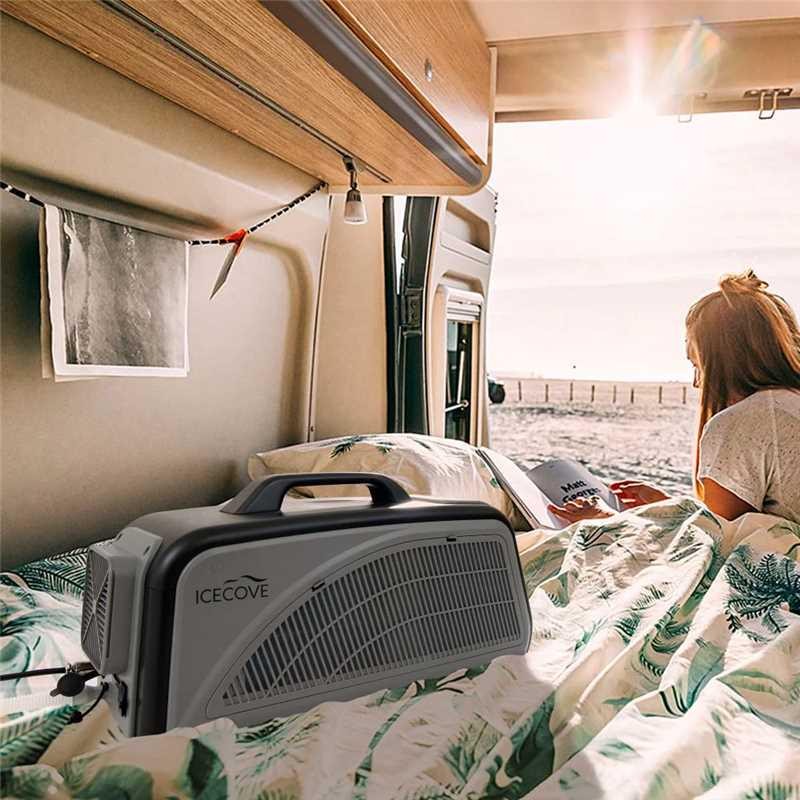
Patio cooling is effective when expectations remain focused on the occupied zone, and SUNJOY presents its compact IceCove Outdoor Air Conditioner range as targeted cooling for patios, backyards, tents, garages, and other limited areas. That purpose differs from conditioning an entire open yard, where cooled air disperses rapidly.
The phrase best portable air conditioner is often used broadly, but buyers should verify what a specific product actually requires. The IceCove manual includes instructions for an exhaust pipe, a drain pipe, and front or rear air-duct installation, so the required setup should be confirmed before use.
A patio benefits from portability because the cooling source can follow the seating area as sun and activity change. Shade, airflow, humidity, distance from the user, and available power all influence performance. A well-placed unit supplements those conditions instead of compensating for an exposed, poorly arranged space.
Understand What Hose-Free Claims Do and Do Not Mean
A conventional portable room air conditioner typically transfers heat through an exhaust duct. Other compact cooling products may use a different configuration, but the absence of a visible long hose does not mean heat, moisture, and airflow requirements disappear. The product documentation should explain how the unit rejects heat and manages condensate.
For that reason, the best portable air conditioner cannot be identified from a marketing phrase alone. Cooling capacity, operating environment, refrigerant system, air path, drainage, power source, and tested performance matter more. A homeowner should avoid enclosing the unit in furniture or pushing it against a wall merely to hide mechanical details.
An Outdoor Air Conditioner also needs clean intake air. Dust, leaves, pollen, and fabric can limit airflow, while wind may redirect the cooled stream away from the user. Filters and vents require the maintenance schedule given by the manufacturer. A compact form is useful only when its breathing space remains intact.
Open patios lose cooled air continuously, so performance should be judged at close range. The unit may create a more comfortable chair, craft table, or pet area, but it should not be described as cooling the entire property. Shade and a smaller occupied zone enhance the practical value of targeted cooling.
Plan the Patio Around Targeted Comfort
Placement should begin with the person instead of the patio boundary. The cooled outlet needs a direct, unobstructed path toward the seating position without blowing napkins, smoke, or dust across the table. The intake should face a cleaner area and stay clear of cushions, plants, and decorative screens.
Power arrangements deserve the same planning. A battery can limit extension-cord traffic, while a corded setup needs weather-suitable connections and protection from trips and water. Any solar charging option should be evaluated by its documented compatibility and charging conditions, not assumed to power continuous operation in every weather pattern.
A sheltered patio strengthens consistency. Direct rain, standing water, and excessive dust may damage equipment or create electrical hazards. An Outdoor Air Conditioner should sit on a stable surface with service access. Moving it into storage after use may be well-matched when the product is not rated for permanent exposure.
Comfort also rests on nonmechanical measures. A roof or umbrella limits radiant heat, breathable fabrics lower heat retention, and hydration supports safer outdoor time. During extreme heat, a cooled indoor space remains important. Targeted patio equipment should not be treated as a medical safeguard or emergency cooling center.
The seating plan can lower the need for maximum fan operation. Moving chairs closer, shading the western side, and limiting heat reflected from masonry may enhance comfort with less energy. Such changes support the portable equipment instead of demanding that it overcome preventable heat gain. They also make lower fan settings more practical during quiet conversations.
Assess the SUNJOY IceCove Range Carefully
SUNJOY describes IceCove models as lightweight spot-cooling products for indoor and outdoor use. Published specifications identify 2,500 BTU capacity and an R290 refrigerant system, with versions offered alone or alongside one or two power banks. One listed bundle also includes a 226-watt folding solar panel.
Those features make the range relevant to the search for the best portable air conditioner. The exact manual requires a check for setup, drainage, ventilation, charging, and clearances. A collection page cannot answer every product-level question.
The 2,500 BTU figure should be understood as personal or localized cooling. On a shaded patio, the unit may serve a chair group or work surface more effectively than a distant open area. Battery runtime will vary with operating mode, ambient conditions, battery configuration, and maintenance.
A SUNJOY Outdoor Air Conditioner can be a valuable patio tool when portability and localized comfort are the real objectives. A defensible choice combines verified equipment requirements, an unobstructed air path, safe power, and shade. Deliberate placement matters more than attaching an absolute ranking to any single unit.
Storage between uses protects the investment. The unit should be cleaned, drained, and moved according to its instructions instead of left beneath a loose cover where condensation can accumulate. Batteries may require indoor temperature control and periodic charging during long periods of nonuse. A search for best portable air conditioner should judge SUNJOY against those conditions.